ALBERTA · ACROSS THE WHOLE VALLEY · DINOSAURS AND FOSSILS
Fossils: look, photograph, leave them
Walk the Badlands long enough and you will see bone on the ground. Here is what Alberta's rules mean for visitors, and why a fossil is worth far more left where it lies.
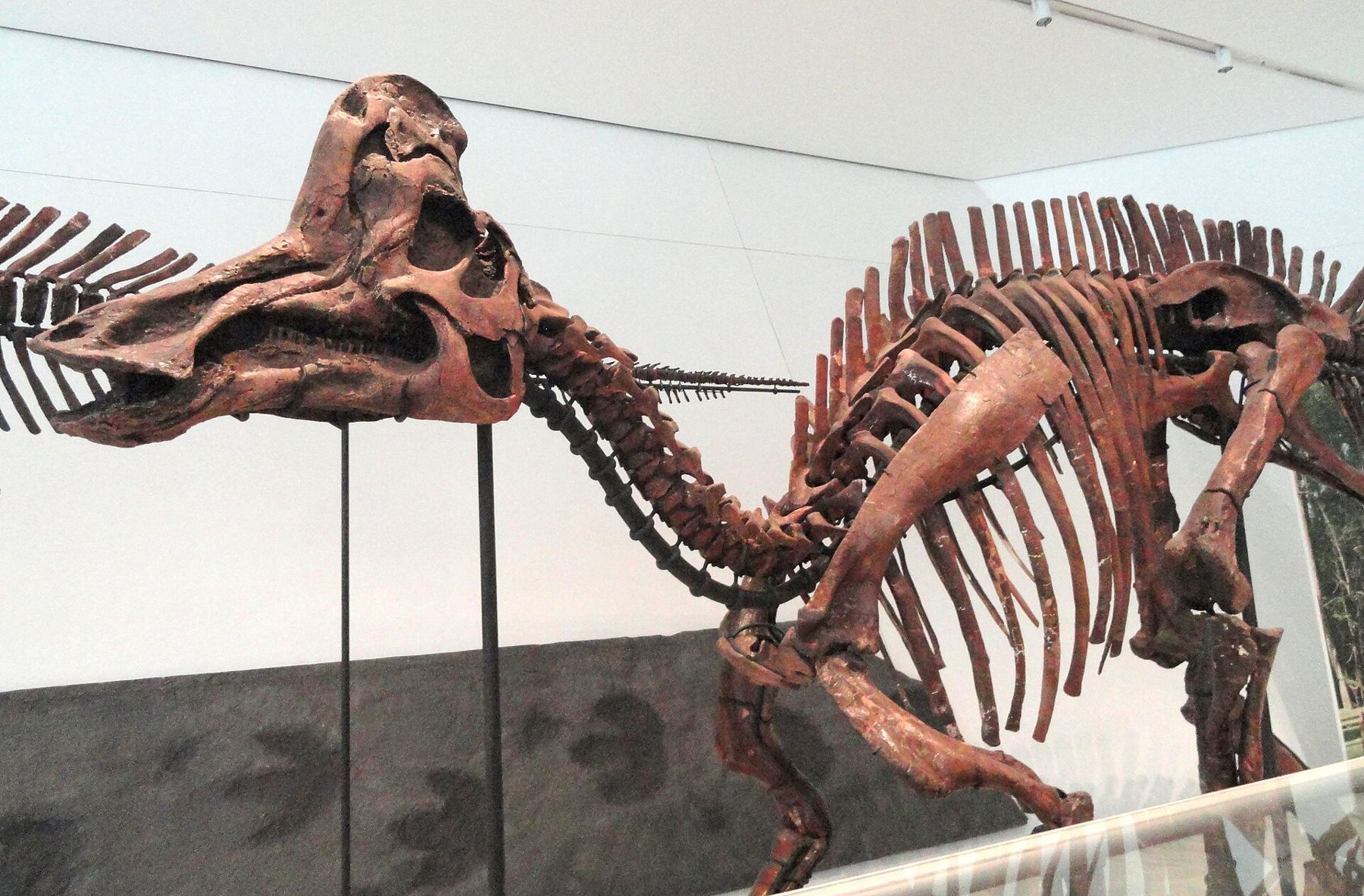
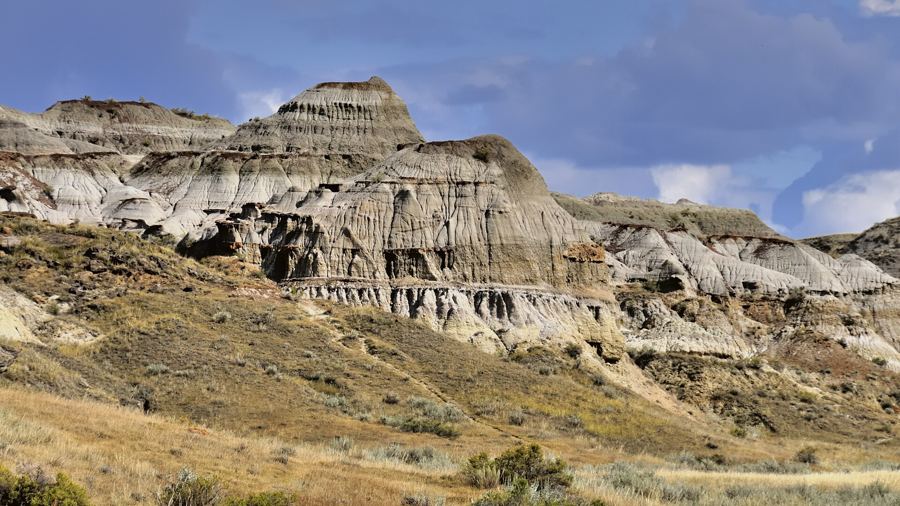
The Canadian Badlands are one of the richest places on Earth for dinosaur fossils, and the rock is exposed almost everywhere. On many trails around Drumheller and in Dinosaur Provincial Park, fragments of bone, teeth and petrified wood lie on the surface, washed out by rain and frost. Seeing them is one of the joys of walking here. Taking them home is another matter.
Who owns a fossil in Alberta
Under Alberta's Historical Resources Act, fossils in the province belong to the Crown, meaning the people of Alberta, wherever they are found. Owning the land does not mean owning the fossils in it. The law exists because fossils are a shared scientific record, and because the province has seen what uncontrolled collecting does to a fossil field.
The detailed rules distinguish between different kinds of land and activity, and they change from time to time. The simple version for a visitor is enough: you may look at fossils and photograph them. You may not dig for them, and you may not remove them from parks or other protected areas. Excavation of any kind needs a permit, and permits go to qualified researchers.
Rules about picking up loose surface fossils outside protected areas exist, but they come with conditions, and the fossils stay the property of the province even then. They cannot be sold, traded or taken out of Alberta without permission. The rules are detailed enough that a visitor is better served by a simpler habit: leave it where it lies. If you are unsure, the answer is always to leave it.
Why context matters more than the bone
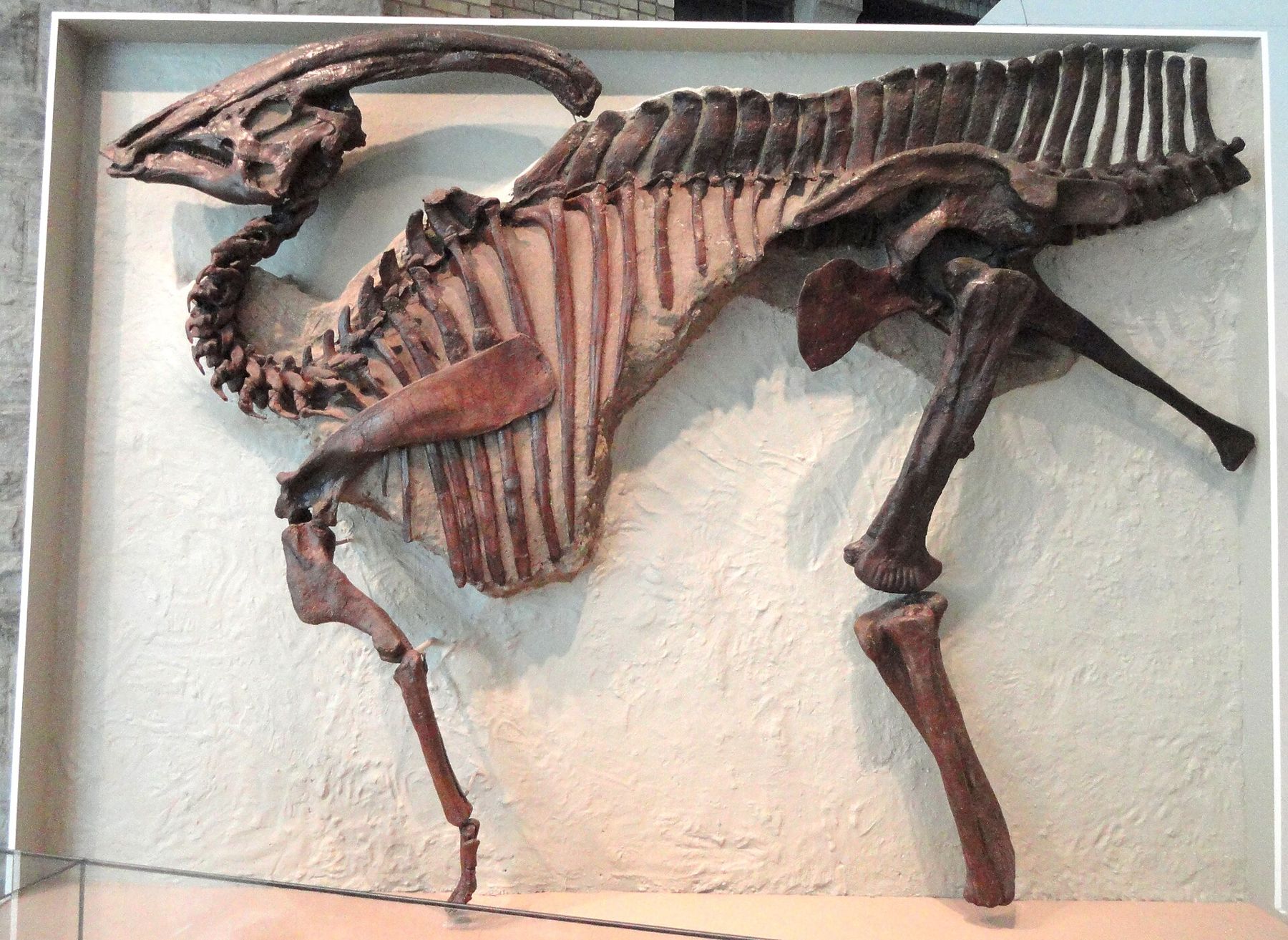
A fossil on the ground is not just an object. Where it lies, which layer of rock it came from and what else lies around it can tell a palaeontologist how old it is, how the animal died and what the landscape was like at the time. Lift it, and most of that information is gone for good. A loose tooth in a pocket tells almost nothing; the same tooth, recorded in place, can add a piece to a much bigger picture.
The badlands themselves make this especially true. The rock here is soft and erodes quickly, so every rainstorm exposes new material and carries old fragments downhill. A bone lying at the bottom of a slope may have travelled from a layer metres above. Researchers use the pattern of fragments on a slope to trace them uphill to their source, sometimes finding a skeleton still in the rock. Each fragment removed makes that trail harder to follow.
Fossils are also fragile in ways that are not obvious. Bone that has sat in the ground for seventy-five million years can crumble in a pocket or crack as it dries out. Collectors with permits use plaster jackets, consolidants and careful records for good reason.
Many of the most important skeletons found in this region were first noticed by members of the public who saw a bone, left it where it was and reported it.
 Further along the horizon · About 170 km south-eastPlanning a day in Dinosaur Provincial Park
In parks and protected places
In Dinosaur Provincial Park, a UNESCO World Heritage Site, the rules are strictest. Much of the park's natural preserve is open only on guided programmes, and nothing at all may be collected anywhere in the park. The same applies in other provincial parks and protected sites, including Midland Provincial Park around the Royal Tyrrell Museum. On the trails at Horseshoe Canyon and the hoodoos, leave everything as you find it.
If you find something
- Leave it exactly where it is.
- Photograph it from several angles, with something for scale such as a coin or a pen.
- Note the location as precisely as you can, using your phone's map if you have signal.
- Report it to the Royal Tyrrell Museum, which handles fossil reports for the province, or to park staff if you are in a park.
Most reports turn out to be common fragments. A few lead to excavations. Either way, the report is the useful part.
Do not try to brush, dig around or clean a find to see it better. Even a little digging can break bone or disturb the layer it sits in. Take your photographs, note what you can, and walk on.
Buying fossils and replicas
Fossils from Alberta cannot simply be sold or exported. Specimens offered for sale in the province are usually from elsewhere in the world, or are casts. If you want something to take home, a good cast is the honest choice: it costs the fossil record nothing.
Rocks and minerals are a different matter from fossils, but in parks and protected areas the same habit applies: nothing is collected. Petrified wood, common on some badland slopes, is treated as a fossil.
Where to see the real thing
The best place to see the region's fossils is the Royal Tyrrell Museum, where skeletons from the valley and the province are displayed alongside the preparation lab where new finds are cleaned. Field displays in Dinosaur Provincial Park show bones left in the ground, in the rock where they were found. Both are a better ending to a fossil hunt than a bone in a bag.
Teaching children the habit
Children are often the best fossil spotters, with sharp eyes and a short distance to the ground. Make finding the game and photographing the prize: a child who learns to leave a fossil in place and report it has learned something that palaeontologists value. A notebook with a sketch, a note of where it was and a photograph makes a better souvenir than the fragment itself, and it is one that can be shared with the museum.